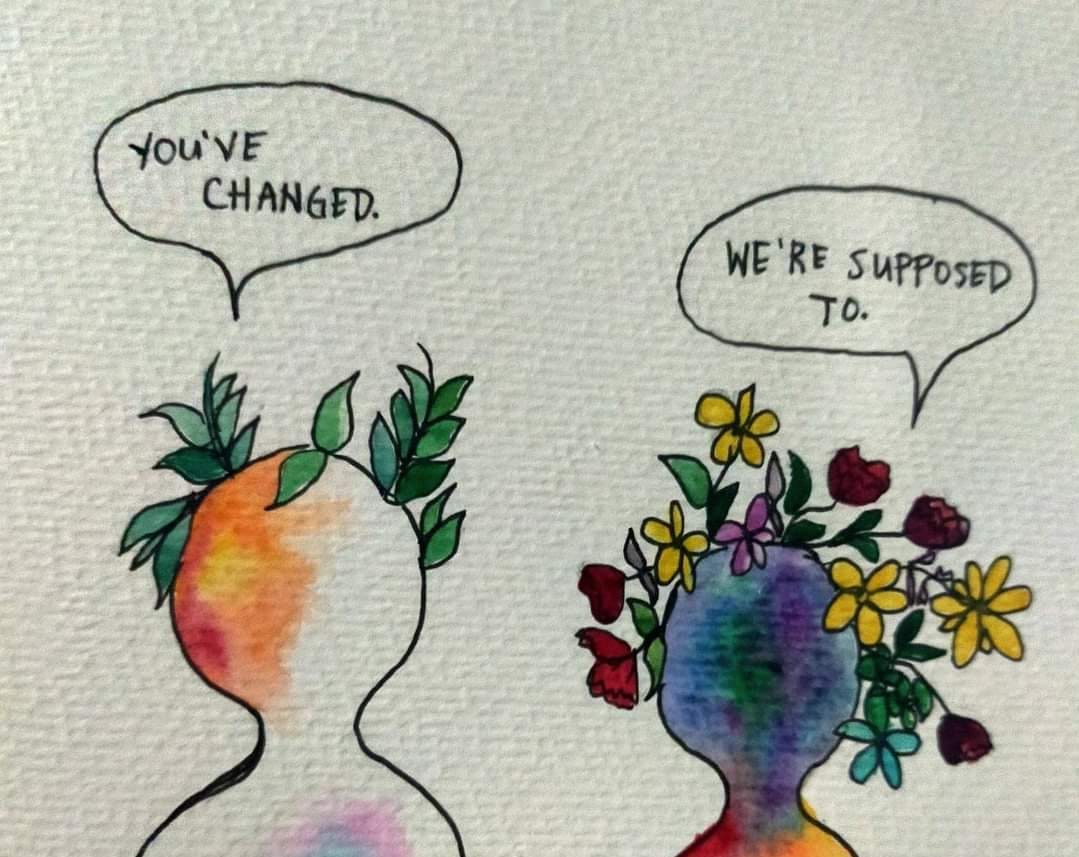
Showing You've Changed: Demonstrating Growth and Maturity
Life is a journey of constant evolution. We learn, we stumble, we rise, and we ultimately transform into better versions of ourselves. But how do you convincingly demonstrate this personal growth to others â€" be it a potential employer, a significant other, or even yourself? It’s not enough to simply *say* you’ve changed; you need to actively *show* it. This requires a conscious effort to showcase tangible evidence of your maturity and development. This article provides strategies to help you effectively communicate your transformation.
Articulating Your Transformation: Beyond Words
Simply stating "I've matured" rings hollow. Instead, focus on providing concrete examples that illustrate your growth. Think about specific situations where you overcame challenges, learned from mistakes, or adapted to new circumstances. These anecdotes should highlight key areas of improvement. Did you overcome a significant fear? Did you successfully navigate a difficult interpersonal conflict? Did you achieve a personal goal that required significant dedication and perseverance? These are the stories that resonate.
Harnessing the Power of Storytelling
Use the STAR method â€" Situation, Task, Action, Result â€" to structure your narratives. Clearly describe the situation, the task you faced, the actions you took, and the positive results you achieved. For example, instead of saying "I'm a better team player," you might say, "In my previous role, our team faced a major deadline with a significant technical challenge. I took the initiative to organize a brainstorming session, delegating tasks effectively and ensuring open communication. This resulted in us not only meeting the deadline but exceeding expectations." This narrative paints a much more compelling picture of your growth.
Demonstrating Growth Through Action
Actions speak louder than words. Your changed behavior should be readily apparent in your daily life. This involves adopting new habits and patterns that reflect your increased maturity. Are you more responsible? More organized? More empathetic? These qualities should be visible in your actions.
Concrete Examples of Behavioral Changes
Consider these examples of demonstrable changes:
- Improved Time Management: Consistently meeting deadlines, proactively planning, and effectively managing your workload.
- Enhanced Communication Skills: Actively listening, expressing your thoughts clearly and respectfully, and engaging in constructive dialogue.
- Increased Responsibility: Taking ownership of your actions, accepting accountability for mistakes, and demonstrating reliability.
- Greater Emotional Intelligence: Showing empathy, understanding different perspectives, and managing your emotions effectively.
- Proactive Problem-Solving: Identifying challenges, developing solutions, and taking initiative to implement them.
Seeking Feedback and Self-Reflection
Growth is a continuous process, and seeking feedback is crucial for understanding your progress. Ask trusted friends, family members, or mentors for their honest opinions on your development. Their perspectives can offer valuable insights into areas where you’ve excelled and areas that require further improvement. Combine this external feedback with regular self-reflection. Journaling, meditation, or simply taking time for quiet contemplation can help you identify your strengths and weaknesses, allowing you to chart a course for continued growth.
Ultimately, demonstrating your growth is about showcasing the tangible evidence of your transformation through compelling narratives and consistent actions. By actively highlighting your accomplishments, demonstrating changed behaviors, and seeking feedback, you can effectively communicate your maturity and create a lasting impression.
0 comments:
Post a Comment
Note: Only a member of this blog may post a comment.